
When will AI-assisted DIY Take My Job?
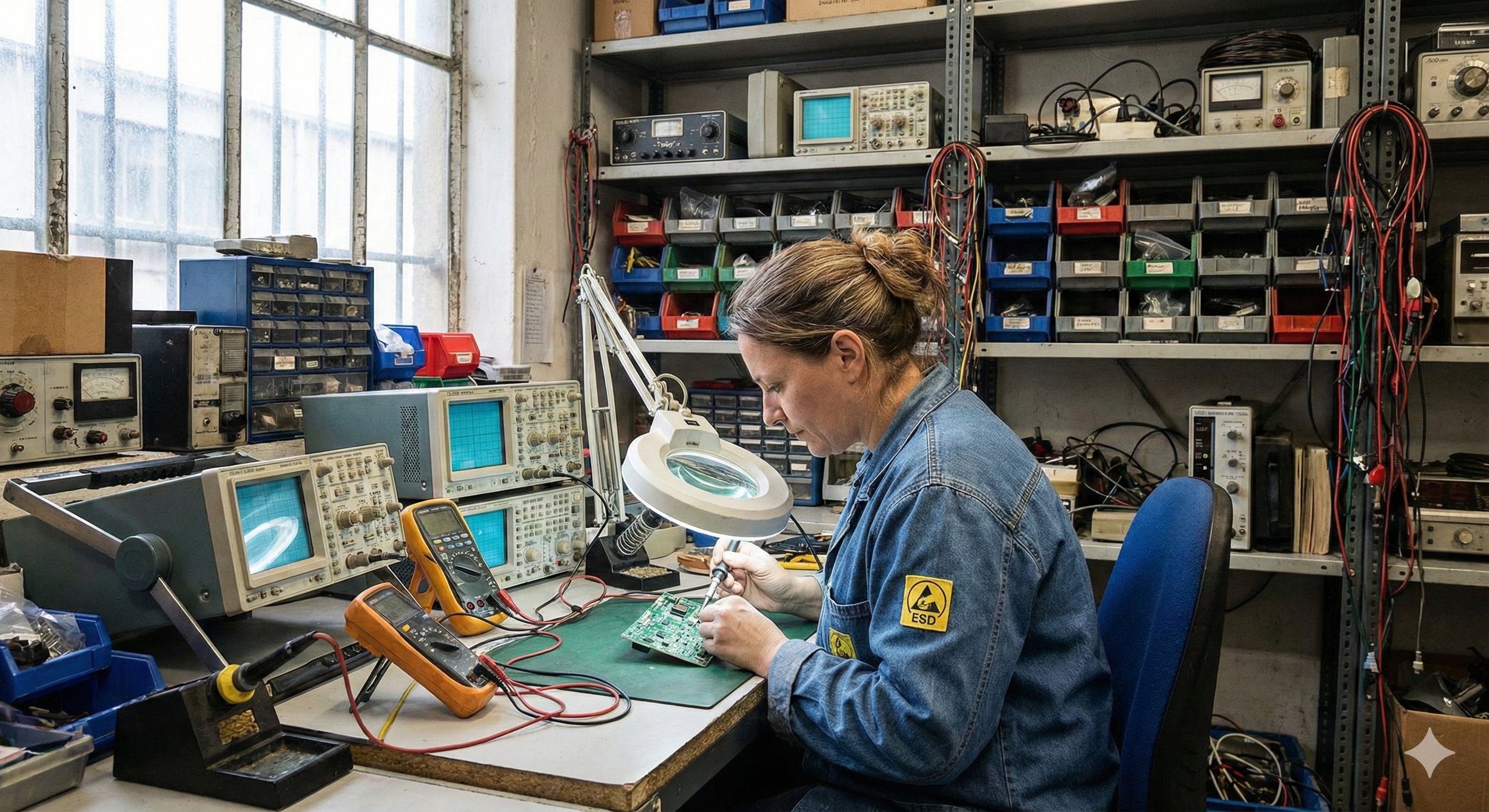
Is AI coming for my job? Should we use AI tools to help us repair things ourselves? Are we taking work away from my local tech?
Powerful AI tools have brought new opportunities to your fingertips. You might like to consider using AI tools to help you repair your own equipment. I’ve put together 3 key areas to consider if you’re thinking about completing your own repairs using AI tools.
Why should you repair it yourself?
Here are some of the great reasons you might try to fix something yourself. These don’t just apply to electronics!
Save money
Learn a new skill
Personal satisfaction through successful problem solving
Geographic location - your local tech might not be so local
Minimising waste by keeping electronics out of landfill
Who bears the risk?
One of the significant benefits of engaging a professional is that they assume the risks associated with completing your repair. If you take on the job yourself, have you considered the risks:
How much will it cost? Will you keep throwing $$ at the project if you’re doing it yourself or should you get an accurate quote from a tech?
What happens if something goes off the AI plan? Do you have the skills to navigate and resolve this?
What will you do if the AI solution starts taking much longer than expected?
Certain electronic equipment can legally only be worked on by a qualified technician. Does this apply to your repair?
Is your repair safe?
Will your repair continue to provide trouble-free operation into the future? Does your local tech offer a warranty?
What is your context?
Do you have any electronics experience or an interest in electronics?
Do you have time to invest in repairing the item?
You just want to get it fixed without putting in your own time or effort
Are you keen to learn a new skill and are interested in how things work?
Are you concerned about protecting the environment from excessive waste products?
Your context will shape how enthusiastically you pursue the AI tools available to you. If you’re comfortable with the risks and can work within your context, using AI tools to help you with electronic repairs could result in some really positive outcomes. Otherwise, your local tech would appreciate your business and it’s always great to have a chat with a customer and hear how you enjoy using the gear that we’ve fixed!
As technologies innovate and societal habits change, various skills, trades and professions shift with these changes. Rather than become obsolete, professions adapt with the emerging technologies. In some cases this causes a growth in a particular profession and in others a retraction but rarely does it fade away altogether. For those that retract, they become specialist crafts such as blacksmithing, saddlery & harness making, furniture restoration, luthiers, glassworkers, book binding and restoration. I think electronics technicians fall into this space, with the transition accelerated some time ago by a shift to small, short life cycle, consumer electronics. Maybe we’re seeing a second impact from AI. I guess we will find out...
So which do you think is the bigger threat to Electronics Technicians, DIYers with an AI toolkit or our low value, short product lifecycle, consumer-driven culture?